
Pixel and Low Poly Art Styles
The Return of Retro Art
Image credit: Aseprite Steam Banner from SteamDB

Image Credit: SEGA Sale Banner by 3D Artist Vippori
Pixel Art

What is it?
Pixel art is art made with individual pixels. Every pixel is placed intentionally in this art form to portray the intended message, due to the emphasis on pixels in the art form.

Origins
Pixel art, as it is known today, originates from arcades and classic video game consoles like the Nintendo Entertainment System and Atari. As older machines couldn’t render images in as high a quality, pixel art was the de facto art form in this age.

What makes it special?
Pixel art is special due to the intentionality of each pixel. Without any soft edges to smooth out the design, placing a pixel wrong can change the entire vibe. Artists also choose to limit the number of colors they include in pixel art, applying them one at a time.
Low Poly
What is it?
Low poly, short for “low polygon mesh,” is a 3D model with a small number of polygons. These models are typically defined by a simplistic, blocky aesthetic that still maintains the basic shape it means to represent.
Origins
Low poly originates from older 3D video games on consoles such as the PlayStation 1 or Nintendo 64. Because game consoles have to render their visuals in real time to respond to player input, there could not be as high a polygon budget in comparison to 3D graphics in movies and animated videos. To make games playable on that low-polygon budget, the amount of detail on any model had to be simplified to its most basic shape.
What makes it special?
Low poly as an art form is about abstraction. It boils down a complex object into its simplest, core features, and presents it in this simplified form. The intentional choice to use fewer polygons helps sharpen the piece’s focus on essential artistic elements, such as lighting, form, and texture.
The Appeal of these Styles

Doing More With Less
The limitations of these styles invite a simplicity to low-poly and pixel art. This simplicity encourages viewers to fill in the blanks with their imagination.
Image credit: Mario from Super Mario 64 – The Models Resource
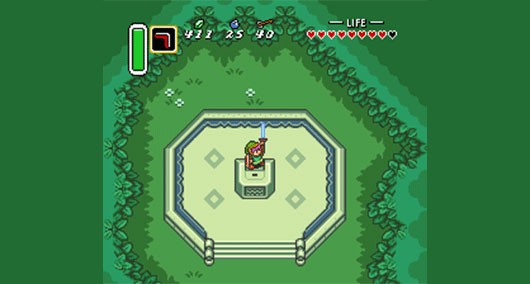
Nostalgia
These styles are heavily connected to the technology they came from. Replicating them will remind viewers of their fond memories of their retro game consoles.
Image credit: The Legend of Zelda: A Link to the Past
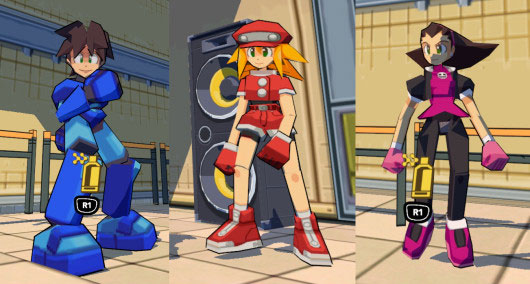
Timeless Aesthetic
Neither art style is capable of achieving a photorealistic effect. So artists using these styles opt to go for a more stylized look, which tends to age better.
Image credit: Megaman Legends Mod Pack for Bomb Rush Cyberfunk